

This blog is about:
How attachments are created through unconscious living
The first three chakras
False identification
Attachment is more than habit—it’s an unconscious way of living. In this part of the series, we explore how awareness begins to free us, the role of the first three chakras in shaping attachments, and how false identification keeps us bound.
By Foca Yariv
As I said earlier, attachments are born from unconscious participation in our actions. We sleepwalk through life, clinging to habits and identities without awareness. But detachment is cultivated through conscious choice.
For example, when you fall in love, the bond starts beautifully. But slowly, unconsciously, you begin to identify with the relationship. You mistake it for who you are. When love wanes, attachment fills the void. What’s left is a shell of habits, dependency, and stale routines.
This is why awareness is key. You must wake up to the mechanisms of attachment.
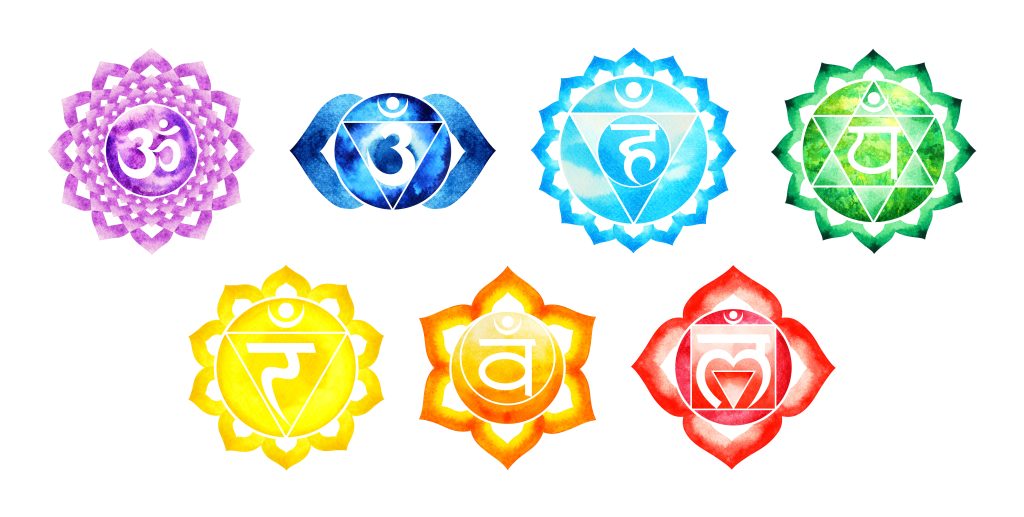
The Chakras: Where Attachments Take Root
1. Muladhara (Root Chakra): Fear of Death and the Illusion of Permanence
At the root chakra, we cling to life itself. Here, the primal fear of death thrives. Research shows people fear not physical pain but the idea that the world will continue without them. Their absence, they fear, will go unnoticed.
In my “Art of Dying” workshop, we meditate on mortality, not to obsess over death but to awaken to life’s impermanence. When we release our grip on permanence—youth, status, legacy—we begin to live.
2. Swadisthana (Sacral Chakra): The Quicksand of Relationships
The sacral chakra governs intimacy. Here, love morphs into dependency—jealousy, possessiveness, insecurity.
3. Manipura (Solar Plexus Chakra): The Ego’s Hunger for Validation
The solar plexus chakra ties us to status and self-image. Detachment here is realising: “I am not my job. I am not others’ opinions. I am the awareness beneath these roles.”
The General Rule: Light Over Darkness
Now, as a general rule in spirituality, the only way to remove darkness is through the propagation of light—increasing the luminosity. In the beginning, all processes of attachment are born in the unconscious. To overcome them, we must first become aware. If you are not aware of something, you cannot overcome it. Time alone may lessen attachment if you stop fuelling it—like avoiding someone you’re attached to. But if you don’t address the root, the pattern repeats.
I confess I was once a deeply attached person. I thought attachment was love. We hold things tightly, like the story of the little girl who received a rabbit as a gift. She loved it so fiercely, she squeezed it to death. That’s how we often love—clinging until we suffocate what we cherish.
False Identification: The Root of Suffering
Jesus said, “Know the truth, and the truth shall set you free.” Attachments are born from false knowledge—false identification. We think, “This is me.” For years, I was a passionate football fan. I regularly attended my team’s matches, my emotions tied to their performance. Then, later, after immersing myself in yoga, I watched a game and realized: “This isn’t me anymore.” The identity I’d clung to had dissolved.
We do this constantly. We define ourselves by our family, job, or relationships. But these are not us. When you realise this, you can love fully without clinging. For example, if your car—a machine you’ve driven for years—is stolen or damaged beyond repair, you might feel a part of you is lost. But you are not the car. You are the driver.